


NEWS
NEWS
2026.11.25[U-21]
[Gamba's Future] ⑥-1 The Supporting Ground for Youth Development: An Interview with Junior Head Coach Shohei OTSUKA


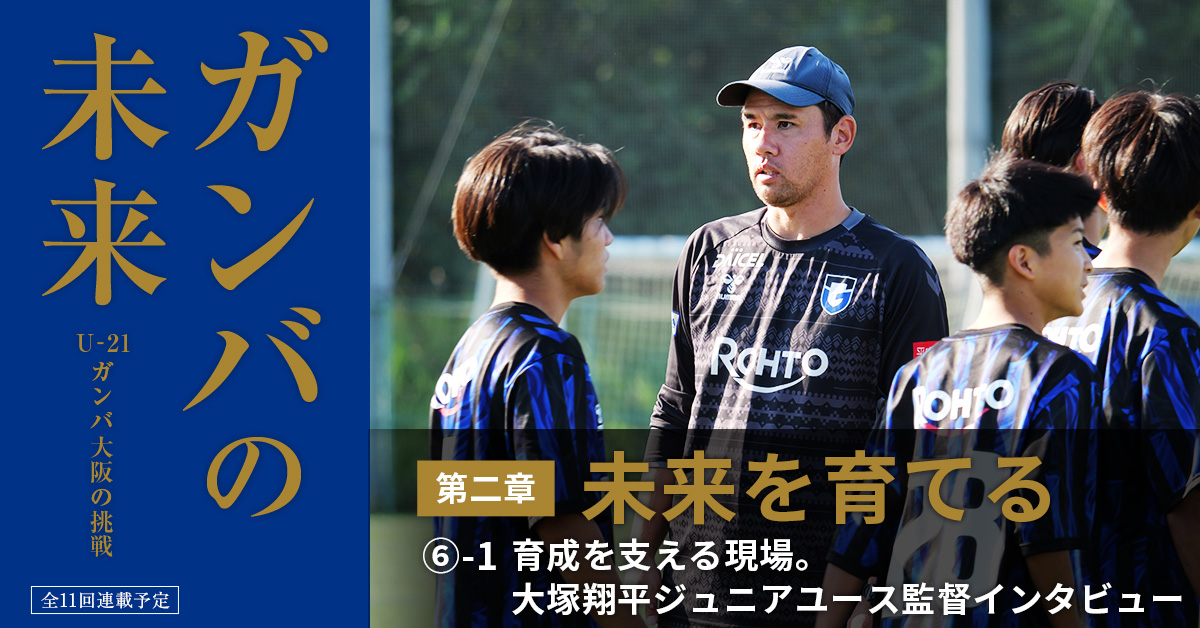
Chapter Two: Nurturing the Future.
GAMBA OSAKA has maintained a consistent coaching system from the academy to the top team since the club's inception. Even now, with 35 years of history, this unwavering philosophy has produced numerous professional soccer players. Chapter 2 looks back at the history of the academy and introduces its current state.
"We provide guidance to hone not only human skills, but also the ability to prioritize plays by working backward from the goal, decision-making skills, and footwork."
—You were promoted from the Gamba Osaka youth team to the first team in 2009. You played for five clubs, including JEF United Chiba and Kawasaki Frontale, and ended your playing career with SC Sagamihara in 2018.
After my contract with Sagamihara ended, I participated in training sessions with several teams, but I didn't get any offers even after waiting until March 2019, so I decided to retire. At that time, Academy Director Masanobu MATSUNAMI approached me and asked if I would like to become a coach. However, the season had already started, so it was decided that I would start in 2020. Until then, I participated as a guest in Gamba's soccer clinics and coached at the team I belonged to when I was in elementary school. After that, I started my coaching career as a junior coach in 2020, served as both a junior youth coach and academy scout in 2024, gained experience as a youth coach from 2025, and this year I am in Head Coach of the junior youth team.
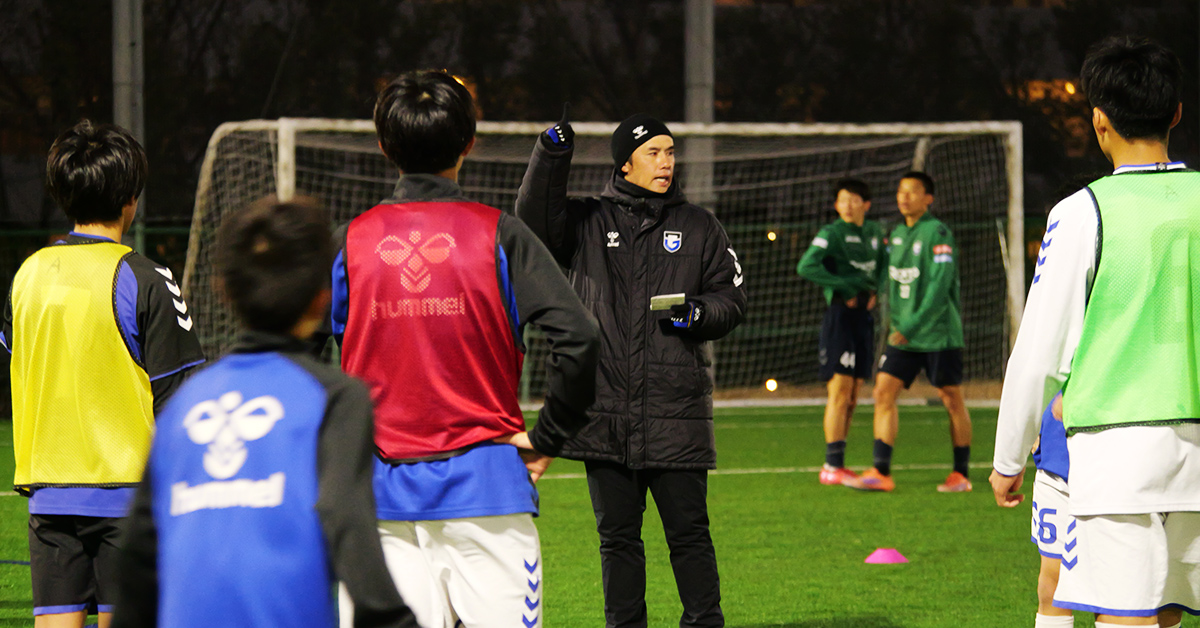
—When you were asked to become the Head Coach, did you say yes without hesitation?
I had always wanted to try it someday, but to be honest, I still have very little experience as a coach... and looking back on my own career, I know that the junior youth age group is a very important period for player development, so I wondered if I was really qualified to be the Head Coach. However, with the confidence that the coaches around me, including Mr. Hoshihara (Takaaki/Academy Director), would provide solid support, I decided to take the plunge and give it a go.
—You yourself grew up in an academy. Do you feel that the DNA you cultivated through that experience is being put to good use in your coaching?
Absolutely. I don't think I've been able to convey everything yet, but I believe my strength lies in being able to work backward from what worked and what didn't during my professional career and then apply that knowledge to coaching at the academy.
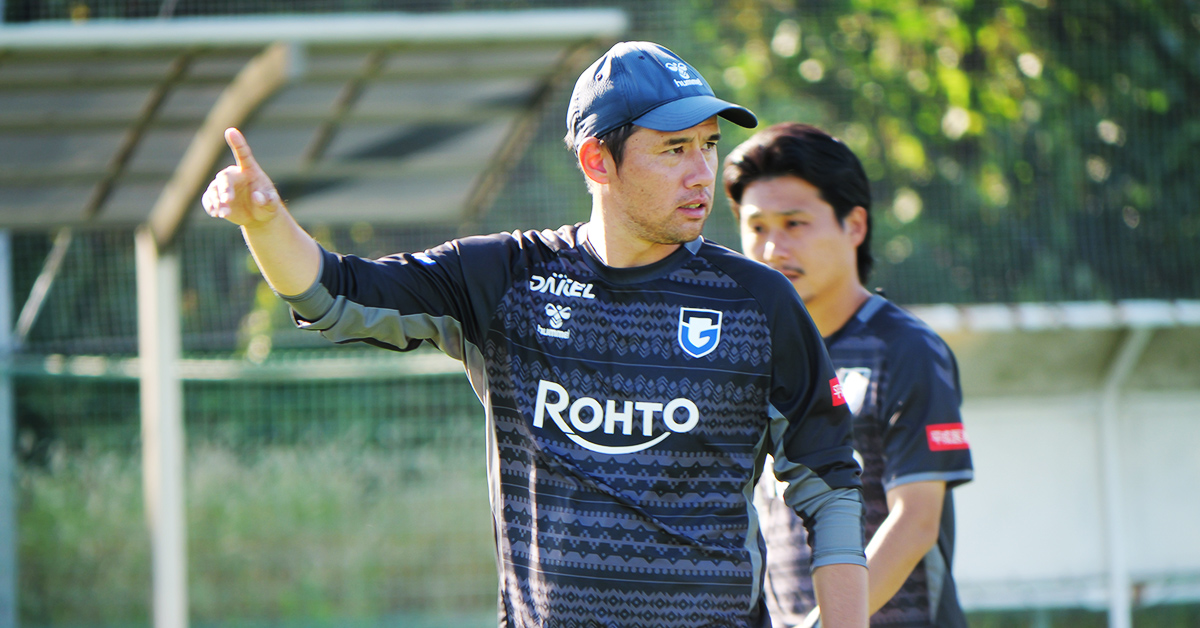
—What do you consider important when coaching junior youth players?
The most important thing is to cultivate character. I experienced this myself, but in soccer, there are many times when things don't go the way you want them to. Players who can persevere through such setbacks will inevitably experience a moment of significant growth. In fact, I've seen many professional soccer players, and the good players are always those who can wholeheartedly dedicate themselves to soccer no matter what situation they're in. Especially during the crucial developmental period of junior high school, being able to approach soccer with that mindset will definitely lead to growth. Of course, as humans, there will be times when our feelings turn in different directions, and I've experienced that myself, but players who can sincerely face soccer at all times will surely rise higher and higher. It is with that mindset that their play will improve. On top of that, in terms of play, I believe that soccer should be played by working backward from the goal, so it is necessary at this age to develop judgment and footwork skills while considering priorities for that purpose. Also, based on my own experience, I believe that I was able to have a professional career because I valued my "individuality" during my time at the academy and was given one or two strengths to offer. That's why I want to keep that in mind when I'm coaching.
—With the club joining the U-21 J.League this year, youth players are increasingly being called upon to play in the U-21 J.League, and junior youth players are being called upon to play in youth tournaments. Do you think this environment is also a factor that promotes the players' development?
Absolutely. In fact, when I think about our time, I envy today's players (laughs). That's because, in our time, first-years sometimes played in matches with third-years, but only exceptional players like Usami (Takashi) would skip categories and play in tournaments. Thinking about that, I think the current environment will definitely accelerate the players' growth. When you put yourself in a high-level environment, you might feel intimidated at first, but you'll get used to it and eventually you'll find yourself able to adapt, and some players will really shine in such an environment. However, that's a little different from the true meaning of "skipping a grade." In fact, just the other day, a player who had come on as a substitute in the youth Premier League came back to the junior youth team and seemed to be getting a bit cocky, so I had to talk to him (laughs). Of course, that kind of mindset can help with growth, but since middle school is still an age where players can make those kinds of mistakes, I think coaches need to be careful in discerning that.
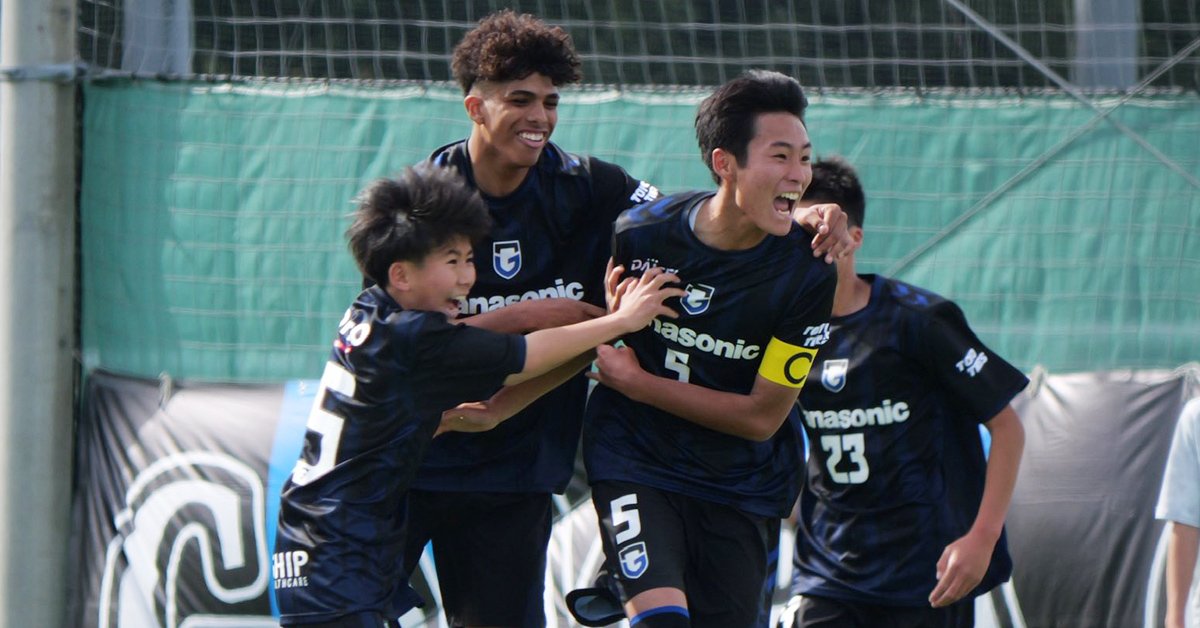
—What kind of goals have you set for your junior youth team?
While I am conscious of my own growth, my commitment to giving my all to win the match in front of me has remained unchanged since I was a junior youth player. As long as I'm wearing the Gamba emblem, I want to go all out to beat them, even in practice matches, even if the opponent is just elementary school students. In reality, all my individual growth and skill development are all for the sake of beating the opponent and the team in front of me. I believe that "winning" and the experience of winning tournaments build confidence and encourage growth, so I always want to pursue growth and results together.
—What kind of leader do you aspire to be in the future?
In the future, I would like to try my hand at coaching a top team, but for now, I am completely focused on how I can inspire and help the players in front of me grow. More often than not, things don't go well every day, but I believe that these struggles and hardships will definitely make me stronger as a coach, and I am actually enjoying it. Above all, it makes me incredibly happy to see the players playing well. In that sense, right now my mind is completely preoccupied with helping as many players as possible reach the next level and produce players who can become "professionals," so I don't have time to think about my own future (laughs). I myself am also struggling, but I believe I can only do my best to help the players grow even a little bit tomorrow compared to today.
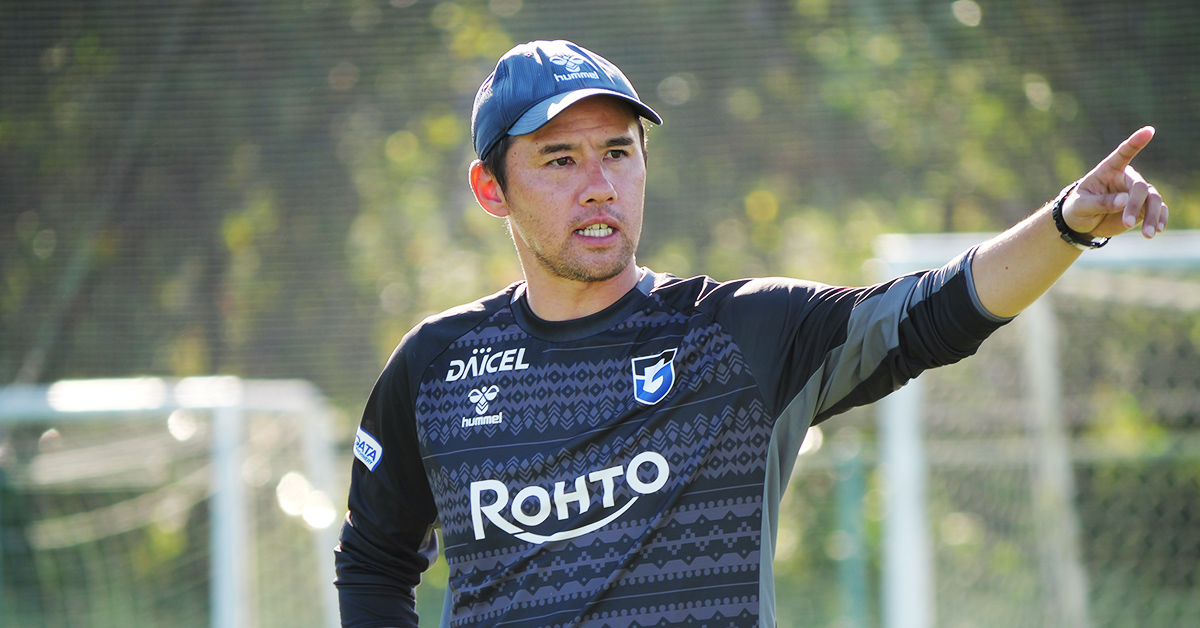
— Interview and text by Misa Takamura
[To be continued in the next episode]
Chapter 2, ⑥-2 / The Front Lines of Youth Development: An Interview with Head Coach Shigeru YOKOTANI Yokotani
Related news
-
 26.11.25[U-21][Gamba's Future] ⑥-1 The Supporting Ground for Youth Development: An Interview with Junior Head Coach Shohei OTSUKA
-
 26.11.24[TEAM][Preview] Gamba Osaka aims to regain momentum in the stagnant ACL Elite, focusing solely on securing three points at home.
-
 26.11.24[GOODS]Apology and refund policy regarding the design error on the Harchimo Daruma plush keychain.
-
 26.11.24[GOODS][Online Shop] New products for MOFLEM DAY and MOFLEM x Home Economics Dragon collaboration goods will be available for purchase from 12:00 on Wednesday, November 25th.
-
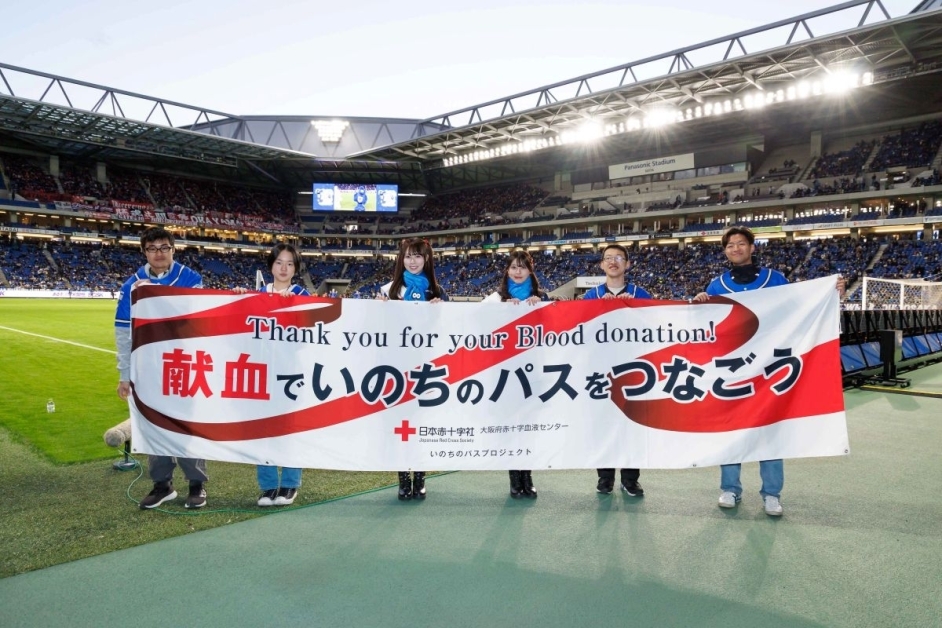 26.11.24[HOME TOWN]Report on the "Connecting the Pass of Life Project" Stadium Blood Donation Event at the Meiji Yasuda J1 15th Sec. against Okayama on November 21st (Saturday)